Best Friends for Life: An Embroidery Design Review
Evaluating the Emotional Weight of Illustrations in Stitch
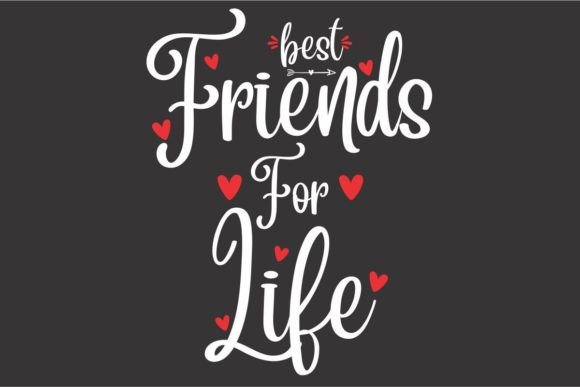
When I first opened the zip folder for Best Friends for Life, I wasn't just looking at a digital asset; I was evaluating a potential bestseller for my upcoming holiday collection. As an experienced designer and product reviewer, I know that Illustrations and Graphics often look pristine on a screen but can lose their soul when translated into thread. This specific design, however, immediately struck a chord. The layout feels balanced, carrying a nostalgic yet modern mood that is essential for friendship-themed merchandise. It does not feel like generic clip art; it possesses a visual personality that suggests warmth and connection, which is exactly what customers seek when commissioning a personalized gift or browsing Etsy for meaningful tokens.
The included files are robust for a graphic-based product. Receiving a 4500×5400 PNG at 300 dpi with a transparent background is a significant advantage. For those of us creating printable mockups or listing photos before we even hoop fabric, this resolution ensures crisp edges and professional presentation. The SVG and DXF formats provide the vector data necessary for clean digitizing, allowing you to manipulate the artwork without losing quality. However, having high-quality source files is only half the battle. The true test lies in how Best Friends for Life transitions from pixels to physical stitches on real-world textiles.
Real-World Application: The Custom Sweatshirt Test
To truly judge this design, I mentally placed it in a current project scenario: a matching set of oversized sweatshirts for a bridal party. In this context, sweatshirt embroidery requires a design that can stand up to fleece texture without getting lost or becoming too dense. Best Friends for Life appears ideally suited for this application because its composition likely allows for strategic use of negative space. When working with heavy fabrics, avoiding excessive stitch density is crucial to prevent puckering and stiffness.
If I were digitizing this for the bridal party, I would utilize a combination of techniques. A satin stitch border could define the outer elements, providing a polished frame that pops against the fuzzy fleece. For the interior lettering or detailed graphics, a fill stitch with a lighter density would maintain the garment's drape. Alternatively, if the design supports it, treating it as an applique design could reduce stitch count significantly while adding a tactile, mixed-media element that elevates the perceived value of the finished product. Customers appreciate this texture variation; it signals handmade quality rather than mass production.
Beyond apparel, this design has strong potential for tote bag design and home decor. Canvas tote bags offer a stable foundation that handles detail beautifully, making them perfect for showcasing the intricate lines of Best Friends for Life. Similarly, pillow covers and nursery decor benefit from this theme. For baby embroidery, however, I would advise simplifying the design slightly. Reducing small details and ensuring the back of the embroidery is smooth (or using a backing) is vital for infant safety and comfort. Always consider the end-user when adapting design assets for sensitive applications.
Navigating Fabric Limitations and Technical Constraints
While Best Friends for Life is versatile, no single machine embroidery design works everywhere. You must exercise caution when applying this to stretchy knits or performance wear. Without proper stabilization, the weight of the stitches can distort the fabric, causing the "best friends" sentiment to look warped. I always recommend testing on scrap fabric first, using a cut-away stabilizer for stretch materials and a tear-away for stable wovens. This step is non-negotiable for maintaining professional standards in your craft business.
Be mindful of sizing constraints. If you attempt to shrink this design down for a small chest logo or a cap, tiny lettering may become illegible. Satin stitch columns have a minimum width threshold; go too narrow, and the needle will perforate the fabric like a postage stamp. Conversely, scaling it up for a large jacket back requires checking if the original vectors support the expansion without jagged edges. For curved surfaces like caps, verify that the design isn't too tall for your specific hoop size and that the stitching sequence accounts for the curve to prevent registration issues.
Color contrast is another critical factor. Best Friends for Life relies on clear definition. On dark fabrics, ensure your thread colors provide sufficient contrast against both the fabric and each other. Light thread on dark fabric can sometimes sink in; using a white underlay base can help vibrant colors pop. Always review your color palette in natural light, as screen brightness can be deceiving. This attention to detail builds customer trust and reduces returns due to poor visibility.
Commercial Viability and Professional Presentation
For Etsy sellers and boutique owners, the commercial viability of a design hinges on its uniqueness and execution. Best Friends for Life taps into an evergreen niche, but success depends on how you present it. High-resolution PNGs allow you to create stunning digital previews, but nothing sells commercial embroidery like a photo of the actual stitched item. Use the provided graphics to create cohesive branding across your shop, but let the texture of the thread be the hero in your primary listing images.
Before listing any small shop product featuring this artwork, confirm your licensing terms. The product description mentions file extraction and formats but does not explicitly state commercial usage rights for finished goods versus digital redistribution. Clarifying this protects your business. Assuming you have the right to sell finished items, focus on storytelling. Market these not just as shirts or towels, but as vessels for memory and connection. This emotional angle, paired with flawless technical execution, justifies premium pricing.
Essential Designer Notes for Success
To get the most out of Best Friends for Life, treat the preparation phase as seriously as the stitching phase. Here are my practical recommendations for integrating this into your workflow:
- Test Stitch First: Never run a new embroidery file directly on a client’s garment. Use scrap fabric of similar weight and texture to check tension, density, and alignment.
- Verify Hoop Compatibility: Measure the design dimensions after any resizing to ensure it fits your machine’s maximum stitch area with adequate clearance for the presser foot.
- Check Thread Contrast: Print a black-and-white version of the design to test value contrast. If the elements blend together in grayscale, they will lack definition in thread.
- Stabilizer Selection: Match your stabilizer to the fabric, not the design. Heavy designs on light fabric need cut-away support; stable fabrics may only need tear-away.
- Mockup Accuracy: When using the 300 dpi PNG for listings, overlay it on realistic garment textures rather than flat white backgrounds to set accurate customer expectations.
- Licensing Compliance: Double-check whether the license permits selling the digital embroidery file itself or only physical products. Respect intellectual property to maintain industry integrity.
- Detail Inspection: Zoom in to 100% on the SVG/DXF to identify any stray nodes or open paths that could cause machine errors during digitizing.
Best Friends for Life offers a beautiful foundation for meaningful projects, from holiday embroidery gifts to everyday custom apparel. By approaching it with technical mindfulness and creative intention, you transform a simple graphic into a cherished keepsake. Remember, the quality of your handmade product reflects your dedication to the craft. Take the time to understand the design's behavior, respect the materials, and your work will resonate deeply with every recipient.