I Do My Own Stunts: A Designer’s Embroidery Review
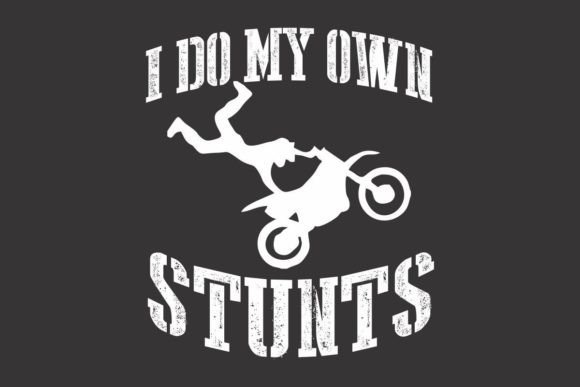
When evaluating a new graphic for embroidery production, I look past the novelty of the phrase and focus immediately on structural integrity. I Do My Own Stunts is a design that carries a specific kind of confident humor, but as an experienced designer and product reviewer, my primary concern is how this illustration translates from a digital screen to physical thread. The package includes high-resolution assets like a 4500×5400 PNG at 300 dpi, along with SVG and DXF files, which suggests crisp lines for digitizing. However, having a clean vector or high-res raster is only the starting point. The real test is whether the personality of this graphic survives the mechanical constraints of a machine embroidery design without losing its charm or legibility.
First Impressions and Visual Personality
Upon opening the files, the first thing that stands out about I Do My Own Stunts is its bold, declarative nature. As an illustration intended for graphics and apparel, it relies heavily on typography and negative space. For an embroidery project, this is generally a positive indicator. Designs that are overly intricate with tiny details often fail when stitched out, but this layout appears to respect the limitations of thread. The mood is playful yet self-assured, making it an ideal candidate for custom apparel where the wearer wants to make a statement without being aggressive. It feels less like a generic clip-art insertion and more like a deliberate branding element for a handmade product or personalized gift.
The transparency of the provided PNG file is a significant advantage for creating printable mockups before committing to stitching. When I prepare digital product previews for Etsy listings or client approvals, being able to overlay the design accurately on sweatshirt embroidery or tote bag design templates saves hours of guesswork. This visual clarity helps in determining if the aspect ratio fits standard hoop sizes without requiring excessive resizing that could distort the stitch density or lettering proportions.
Real-World Application: The Custom Sweatshirt Test
To truly evaluate this asset, I approached it with a specific scenario in mind: creating a premium crewneck sweatshirt for a small shop product line targeting creative entrepreneurs and makers. In this context, I Do My Own Stunts needs to perform as both a fashion statement and a testament to quality craftsmanship. I envisioned placing the design centered on the chest, roughly four inches wide, using a combination of satin stitch for the text and potentially a fill stitch for any accompanying graphical elements.
In this real-life application, the design’s success hinges on contrast and placement. On a heather grey or cream sweatshirt, the design pops effectively, allowing the stitch texture to become part of the aesthetic. However, because the phrase implies independence and capability, the execution must be flawless. A sloppy registration or puckered fabric would ironically undermine the message. During my mental walkthrough of this project, I noted that the spacing between letters in the source file appears adequate for embroidery, reducing the risk of thread breaks or crowded stitches that can occur when converting complex graphics into machine embroidery designs. This makes it a strong contender for commercial embroidery projects where consistency across multiple units is non-negotiable.
Navigating Fabric Constraints and Stabilization
While I Do My Own Stunts shows promise, experienced embroiderers know that fabric choice dictates the final outcome. This design requires careful consideration when applied to textured fabrics or stretchy knits. If you are planning baby embroidery or items for infants, the stitch density must be managed carefully to prevent the garment from becoming stiff or heavy. The high-resolution source art allows for precise digitizing adjustments, but you must verify that the final embroidery file has been optimized for the specific material weight.
For stretchy fabrics commonly used in custom apparel, using the correct stabilizer is mandatory. A cut-away stabilizer is typically best for sweatshirts to maintain the shape of the lettering over time, while a tear-away might suffice for woven tote bags or aprons. I would advise against using this design on highly curved surfaces like caps unless you have verified the distortion settings in your digitizing software. The horizontal span of the phrase means that wrapping it around a cap’s curve could cause the outer letters to sink into the fabric or lose alignment. Always test on scrap fabric first; this step is crucial for maintaining customer trust and ensuring your finished product looks professional rather than homemade in a pejorative sense.
Technical Considerations for Small Business Owners
For Etsy sellers and craft business owners, versatility is key. I Do My Own Stunts offers flexibility, but there are boundaries. While the included SVG and DXF files are excellent for cutting machines or sublimation, remember that they are not native embroidery formats. You will need to digitize them or purchase a pre-digitized machine embroidery design version specifically formatted for your machine brand. Do not assume the vector file will automatically stitch correctly; vectors define shapes, not stitch types, pull compensation, or underlay.
- Check Licensing: Before selling finished products featuring this design, confirm the commercial use terms. Just because you bought the graphic doesn't always mean you can sell unlimited embroidered merchandise.
- Thread Color Contrast: Test the design in black and white mockups to ensure readability. If the design relies on color separation, verify that your thread colors match the intended vibe.
- Hoop Size Verification: Measure the actual stitch area after digitizing. Ensure it fits comfortably within your hoop size with room for proper stabilization clamping.
- Washability: Consider the end use. If this is for kitchen towels or baby items that face frequent washing, ensure the stitch density is sufficient to withstand abrasion without fraying.
Elevating Product Value Through Presentation
The way you present I Do My Own Stunts affects perceived value just as much as the stitching itself. Using the 300 dpi transparent PNG for high-quality listing photos helps bridge the gap between digital expectation and physical reality. When customers see a crisp, well-lit photo of the actual embroidered patch or apparel item alongside a clean digital preview, it builds confidence. This design has the potential to serve as a signature piece for a boutique brand, signaling that the maker values wit and quality equally.
Furthermore, consider how this design interacts with other elements in your shop. Does it pair well with your existing holiday embroidery collection or everyday wearables? Its neutral but cheeky tone allows it to cross categories, working as well on a denim jacket as it does on a canvas tote bag design. However, avoid overcrowding the garment. Let the phrase breathe. Negative space is an active design element in embroidery; filling every inch of fabric often cheapens the look. By respecting the layout of I Do My Own Stunts, you allow the message to land effectively, turning a simple graphic into a conversation starter and a valued addition to your product lineup.
Final Practical Notes for Makers
Ultimately, I Do My Own Stunts is a versatile asset for the prepared embroiderer. Its strength lies in its bold simplicity and high-quality source files, which provide a solid foundation for digitizing. Whether you are creating a personalized gift for a fellow stunt-performing parent or stocking your shop with relatable apparel, success depends on technical diligence. Always run a sew-out test on the exact fabric you intend to use. Inspect small details and corners for thread buildup. Compare light and dark fabric backgrounds to ensure visibility. By treating this illustration with the same professional scrutiny as any complex logo, you ensure that the final embroidered product honors both the humor of the phrase and the integrity of your craft.