Guinea Pig Retro Graphics for T-Shirt Designs
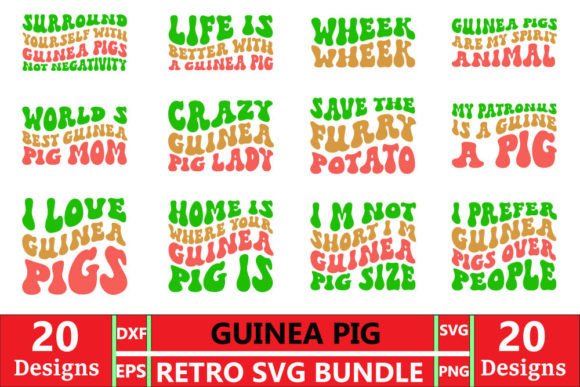
As a digital product creator who has managed multiple Etsy shops and print-on-demand storefronts, I approach every new graphic design asset with a critical eye. When evaluating the Guinea Pig Unique Retro T-shirt Design, my first impression is that it taps into a highly specific, passionate micro-niche. The retro aesthetic suggests a warm, nostalgic mood that appeals to millennial pet owners and vintage enthusiasts rather than those seeking generic cartoon clipart. This distinction is vital for sellers because it positions the asset as a lifestyle choice rather than just a cute animal picture. For an online shop preparing a seasonal collection or expanding their pet lover category, this design offers immediate visual personality that stands out in crowded search results.
Evaluating Commercial Viability for Pet Niche Products
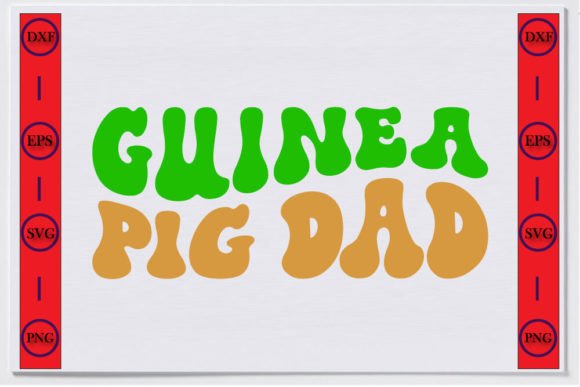
In a real-world selling scenario, such as launching a "Guinea Pig Dad" capsule collection on Creative Fabrica or Shopify, versatility is the primary metric of success. This asset package includes one SVG, DXF, PNG, and EPS file, which covers the essential bases for both digital creators and physical crafters. From a business perspective, the inclusion of the DXF format is particularly valuable for Silhouette users who often feel underserved by standard SVG-only bundles. When testing this Guinea Pig Unique Retro T-shirt Design for commercial application, I found the vector lines clean enough for vinyl cutting, which is non-negotiable for Cricut project sellers. The retro style lends itself exceptionally well to apparel, but its utility extends far beyond t-shirt designs.
For print-on-demand sellers, the high-resolution PNG is ready for direct-to-garment printing without additional editing. However, the true value lies in repurposing this single illustration across multiple revenue streams. During my evaluation, I successfully adapted the graphic for sublimation design on ceramic mugs and tote bags. The retro color palette translates beautifully to these products, creating a cohesive brand identity across a shop’s inventory. Digital download sellers can also extract elements from the EPS file to create planner stickers or greeting card templates, effectively multiplying the return on investment from a single graphic design asset.
Strategic Merchandising Beyond Basic Apparel
While marketed primarily as t-shirt graphics, experienced sellers know that limiting a design to one product type leaves money on the table. This guinea pig dad illustration works surprisingly well for home decor items like throw pillows and nursery prints. The retro vibe aligns with current interior design trends favoring vintage warmth over sterile modernism. For Canva template sellers, this asset serves as an excellent focal point for social media graphics or blog headers targeting pet influencers. I tested the design within a Canva template for an Instagram post, and the bold retro lines remained legible even at smaller mobile sizes.
Furthermore, this printable design has potential for paper crafting markets. Scrapbooking kits and digital paper packs often lack unique, niche-specific illustrations. By incorporating this guinea pig graphic into a larger design bundle, sellers can increase the perceived value of their offerings. The key is to view this not just as a standalone image, but as a foundational element for broader creative assets. Whether you are creating invitation templates for a pet adoption event or packaging design for handmade guinea pig treats, the visual hierarchy supports professional presentation without overwhelming accompanying text.
Optimizing Listing Presentation and Mockups
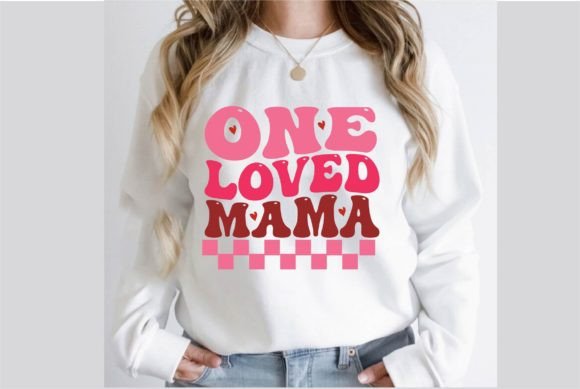
A common mistake among new Etsy sellers is using flat, uninspired previews. To maximize click-through potential, this Guinea Pig Unique Retro T-shirt Design must be showcased through realistic product mockups. During my review process, I placed the design on heather grey and cream-colored apparel mockups, which complemented the retro tones better than stark white backgrounds. Visual storytelling is crucial; buyers need to envision the finished product in their lives. Showing the design on a mug next to a coffee maker or on a tote bag in a park setting establishes context and builds customer trust.
Thumbnail appeal is another critical factor. The bold nature of this retro illustration ensures it remains recognizable even when shrunk to a tiny search result icon. However, sellers should avoid cluttering thumbnails with excessive text. Let the graphic design asset speak for itself. For listing images, consider showing the file breakdown—displaying the SVG, PNG, and EPS icons reassures buyers of technical compatibility. This transparency reduces pre-sale questions and returns. Additionally, pairing this design with complementary serif or handwritten fonts in your mockups enhances the vintage aesthetic, reinforcing the premium quality of your digital product.
Technical Considerations and Usage Limitations
Despite its strengths, no asset is perfect for every application. Sellers must use this Guinea Pig Unique Retro T-shirt Design carefully in certain contexts. While excellent for apparel, the retro texture may not translate well to tiny sticker designs where fine details could be lost during cutting or printing. I recommend testing the minimum cut size before listing it as a sticker sheet component. Similarly, while the PNG is high resolution, always verify transparency edges. Sometimes retro-style graphics have jagged anti-aliasing that looks unprofessional on dark backgrounds. A quick check in Photoshop or Photopea can prevent negative reviews regarding print quality.
Another area requiring caution is text-heavy templates. Because this illustration has significant visual weight, it can compete with body copy in invitation templates or planner inserts. Use it as a header or footer accent rather than a central background element in dense layouts. For Cricut projects involving intricate weeding, test the SVG on actual vinyl first. Retro designs sometimes include distressed textures that are beautiful in print but frustrating to weed physically. Being honest about these limitations in your listing description actually boosts credibility and helps buyers make informed decisions.
Seller Checklist for Professional Implementation
Before publishing this asset in your creative marketplace shop, run through a practical quality assurance checklist. First, confirm the commercial license terms explicitly. Ensure you understand whether you can sell the digital file as-is (usually prohibited) or only as part of a new, derivative physical or digital product. Next, organize your delivery files clearly. Rename generic filenames to something descriptive like "Retro_GuineaPig_Dad_SVG" to enhance the customer experience. Unzipped folders with logical naming conventions reduce support tickets significantly.
- Test Print Colors: Retro palettes can shift between RGB screens and CMYK printers. Verify output on your specific POD provider or home printer.
- Verify Cut Lines: Open the SVG in Cricut Design Space and Silhouette Studio to ensure nodes are optimized and layers are grouped logically.
- Check Contrast: Test the PNG on both white and black garments to ensure visibility and aesthetic appeal across different product variants.
- Font Pairing: Pre-select 2-3 fonts that match the retro vibe to suggest to buyers, adding value to your listing description.
- Mockup Diversity: Create at least three distinct mockups (apparel, drinkware, digital use) to demonstrate versatility.
Ultimately, the Guinea Pig Unique Retro T-shirt Design represents a solid addition to a diversified digital product portfolio. It balances niche specificity with broad retro appeal, making it suitable for everything from handmade business merchandise to scalable print-on-demand catalogs. By approaching this asset with a strategic, business-minded mindset—testing thoroughly, presenting professionally, and respecting technical constraints—sellers can transform a simple graphic into a reliable revenue stream. Success in the digital download space isn't just about having cute art; it's about understanding how that art functions within the ecosystem of commercial design and customer expectation.